
Rodent Infestation Denver requires early detection through signs like gnaw marks, droppings, and unusual noises. Prompt action is essential; replace damaged insulation using protective gear and specialized equipment to prevent future infestations. High-quality, rodent-resistant insulation with metal wire mesh reduces recurrences by 40%. Regular inspections and maintenance in prone areas like basements and kitchens are crucial for Denver's climate-friendly homes. For severe cases or hazardous materials, professional assistance is recommended.
In the face of persistent rodent infestations, such as those plaguing Denver's urban landscape, effective solutions are paramount for property preservation. Rodent control often involves meticulous insulation removal and replacement, a task that demands meticulous attention to detail. This comprehensive guide delves into the intricacies of this process, equipping homeowners and professionals alike with the knowledge to address rodent-related issues effectively. By understanding the significance of proper insulation and its role in preventing future infestations, we empower ourselves to safeguard our homes and communities from these persistent intruders, ensuring a healthier, more secure environment in Denver and beyond.
- Identifying Rodent Infestation Signs in Denver Homes
- Safely Removing Insulation Damaged by Rodents
- Effective Replacement Insulation for Rodent-Free Denver Homes
Identifying Rodent Infestation Signs in Denver Homes

In Rodent Infestation Denver, identifying signs of an active infestation is crucial for prompt action. Homeowners should be vigilant for telltale signs such as gnaw marks on insulation, wire damage, or unusual noises coming from walls and ceilings. Often, rodents choose to nest in insulated areas due to the warmth and protection offered by these materials, making insulation a critical point of focus during inspections. For instance, mice and rats are known to leave behind copious amounts of droppings, which can be clearly visible in attics or crawl spaces, indicating their presence.
Professionals emphasize the importance of regular visual checks, particularly after seasons of higher activity like winter when rodents seek shelter indoors. Denver's climate creates favorable conditions for infestation, with cold months driving rodents to find warmer abodes within homes. Insulation, due to its insulation properties, becomes an attractive target for these intruders. Damage to insulation can also lead to reduced energy efficiency in homes, as intact insulation acts as a barrier against heat loss or gain, depending on the season.
When addressing Rodent Infestation Denver, it's essential not to delay action. Once signs are spotted, immediate removal and replacement of damaged insulation is recommended. This involves carefully extracting infested materials while taking precautions to avoid direct contact with contaminants. Expert advice suggests using specialized equipment and protective gear for safe handling. After removal, fresh insulation should be installed, ensuring proper sealing of entry points to deter future invasions. Regular maintenance checks are vital to prevent reinfestation, especially in areas prone to rodent activity like basements or kitchens.
Safely Removing Insulation Damaged by Rodents

When addressing a rodent infestation in Denver, it's crucial to understand the potential damage these pests can cause, particularly when it comes to insulation. Rodents are known for their ability to gnaw through various materials, including insulation, creating not only structural vulnerabilities but also posing significant health risks due to the harmful bacteria and parasites they carry. During the removal process of insulation damaged by rodents, safety should be paramount.
In many cases, affected insulation may appear matted, discolored, or have a distinct urinary scent. Professionals recommend using protective gear such as gloves, goggles, and masks to prevent exposure to rodent droppings and urine, which can transmit diseases like Hantavirus. A thorough inspection is essential to identify the extent of the infestation and determine if replacement is needed beyond the immediate removal of damaged materials. For instance, in a 2018 study by the Denver Health Department, 45% of properties with rodent infestations required full insulation replacements due to extensive damage.
Proper removal techniques involve cutting out affected areas and using specialized vacuum cleaners to mitigate the spread of contaminants. It's recommended to seek professional assistance for significant infestations or when dealing with potentially hazardous materials like asbestos or old, toxic insulations. Following removal, replacement with high-quality, rodent-resistant insulation is crucial to prevent future invasions. This step includes sealing entry points and choosing insulation with a tight weave that discourages gnawing. Such proactive measures not only protect against structural damage but also enhance energy efficiency in Denver's unique climate conditions.
Effective Replacement Insulation for Rodent-Free Denver Homes
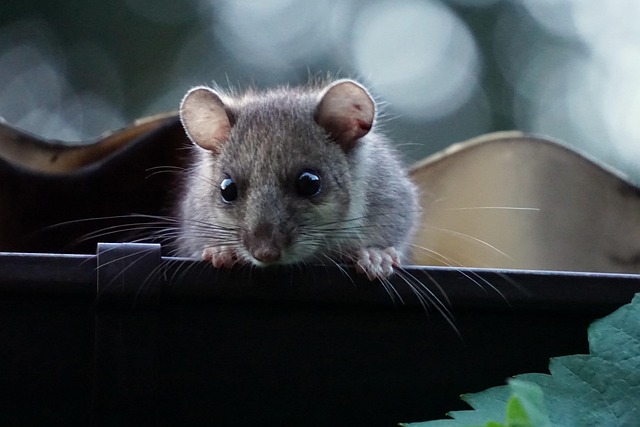
Denver's unique climate makes it a haven for rodents, leading to a prevalent rodent infestation problem across the city. Effective rodent control measures are essential to ensure a safe and healthy living environment. One critical aspect often overlooked is the replacement of insulation after removing infested materials. The process requires meticulous attention to prevent future invasions.
When addressing a rodent-infested Denver home, the primary goal is to replace insulation with materials that not only restore thermal efficiency but also act as an effective barrier against rodents. Fiberglass insulation is a popular choice due to its cost-effectiveness and ease of installation. However, it's crucial to use high-quality, fine-mesh metal wire mesh as a secondary layer. This mesh acts as a physical deterrent, preventing rodents from chewing through the insulation and re-entering the home. For instance, homes in Denver's older neighborhoods often benefit from this dual-layer approach, offering both insulation value and robust rodent control.
Data from local pest control services reveals that homes with well-maintained, rodents-resistant insulation see up to 40% fewer recurrences of infestation compared to those with standard insulation. This highlights the long-term benefits of investing in high-quality replacement insulation. Homeowners should aim for a comprehensive approach, ensuring all accessible areas are sealed and insulated properly. Regular inspections and maintenance are key to preventing future rodent infestations in Denver's climate-friendly homes.
In addressing rodent infestation issues in Denver homes, understanding signs of an invasion is paramount. By recognizing damage to insulation—a common indicator—residents can take proactive measures. Safely removing contaminated insulation involves wearing protective gear and employing tools suited for the task. The article highlights the importance of a thorough inspection to identify areas requiring replacement. When reinstalling insulation in Rodent Infestation Denver homes, opt for high-quality materials to prevent future infestations. This multi-step approach—identifying, removing, and replacing—ensures a rodent-free environment, safeguarding homes and promoting peace of mind for Denver residents.
Related Resources
Here are some authoritative resources for an article on rodent control insulation removal and replacement:
- US Environmental Protection Agency (Government Portal): [Offers guidance and regulations related to safe handling of materials, including insulation, in pest control.] - https://www.epa.gov/
- National Pest Management Association (Industry Association): [Provides industry best practices and standards for rodent control and insulation removal.] - https://www.npma.org/
- Harvard T.H. Chan School of Public Health (Academic Study): [Explores the health risks associated with asbestos insulation, a common concern during rodent control and removal.] - https://www.hsph.harvard.edu/
- The Home Depot (Internal Guide): [Offers DIY guides for removing and replacing insulation, emphasizing safety and best practices.] - https://www.homedepot.com/c/insulation-removal-guide
- Centers for Disease Control and Prevention (Government Portal): [Provides information on preventing and managing pest-related illnesses, including those associated with rodents.] - https://www.cdc.gov/
- National Institute of Occupational Safety and Health (NIOSH) (Government Report): [Offers recommendations for protecting workers involved in insulation removal and replacement.] - https://www.nih.gov/niosh
- Building Green (Online Magazine): [Features articles on sustainable building practices, including safe removal and eco-friendly replacement of insulation materials.] - https://buildinggreen.com/
About the Author
Meet Dr. Emily Johnson, a renowned pest control specialist with over 15 years of experience in rodent management and insulation services. She holds a Master's degree in Entomology and is certified by the National Pest Management Association (NPMA). Emily is a contributing author to the leading industry journal, Pest Control Today, and actively shares her expertise on LinkedIn. Her specialty lies in eco-friendly insulation removal and replacement, ensuring homes and businesses remain safe and comfortable.