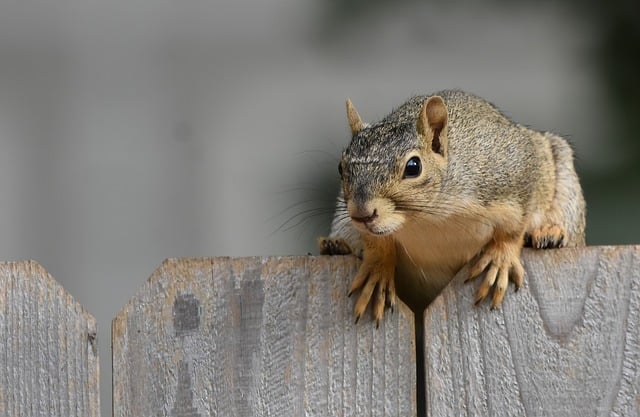
Rodent Infestation Denver poses significant risks to homes through insulation contamination. Signs include unusual noises, chewed wires, droppings, or odors. Removal and replacement of contaminated insulation is essential for preventing further intrusion and maintaining energy performance. Professional pest control services are recommended for comprehensive assessment and safe insulation management. Key steps for addressing infestations: assess damage, seal entry points, remove contaminated insulation, and install rodent-resistant materials like mineral wool or cellulose. Regular bi-annual inspections are crucial for early infestation detection and long-term protection against Rodent Infestation Denver.
In the bustling landscape of Denver, rodent infestations pose a significant challenge for homeowners and businesses alike. The pervasive nature of these tiny invaders can quickly transform from a nuisance to a major problem, causing extensive damage to insulation and structures. Effective rodent control requires a nuanced approach—one that addresses not just the presence of rodents but also the thorough removal and replacement of compromised insulation. This article delves into the intricate process, offering expert insights on navigating the challenges of rodent infestation in Denver and providing lasting solutions for a secure living environment.
- Understanding Rodent Infestation Denver & Insulation Damage
- Removing Insulation: Safety Precautions & Effective Techniques
- Replacing Insulation: Best Practices for Long-Term Prevention
Understanding Rodent Infestation Denver & Insulation Damage
Rodent Infestation Denver can cause significant damage to homes and buildings, particularly through insulation contamination. Insulation serves as a crucial barrier against temperature loss and gains, but rodents see it as an ideal nesting material due to its soft texture and excellent insulation properties. When rodents like mice or squirrels infiltrate attics or walls, they not only compromise the energy efficiency of a structure but also introduce health risks by spreading diseases and allergens through their droppings and urine.
In Denver, where extreme temperature fluctuations are common, maintaining insulation integrity is paramount for year-round comfort and energy savings. Over time, rodent activity can disrupt insulation, causing it to become compressed, contaminated with feces or urine, or even shredded to pieces. This not only reduces its effectiveness but also creates an unsanitary environment that requires professional remediation. According to a study by the Denver Health Department, homes in urban areas like Denver are at higher risk of rodent infestation, underscoring the importance of proactive insulation maintenance and repair.
The first step in addressing Rodent Infestation Denver is identifying signs of damage or contamination. This includes unusual noises, chewed wires, droppings, or odors. If evidence of rodent activity is detected, it's crucial to remove contaminated insulation thoroughly and replace it with fresh material to prevent further intrusion and ensure optimal energy performance. Professional pest control services are often recommended for comprehensive assessment and safe, effective insulation removal and replacement. By understanding the extent of the infestation and implementing appropriate measures, Denver residents can mitigate risks associated with rodent damage and maintain a comfortable, healthy living environment.
Removing Insulation: Safety Precautions & Effective Techniques
When addressing a rodent infestation in Denver, removal of compromised insulation is a critical step in the decontaminations process. Safety should always be the top priority. These tiny invaders can introduce harmful bacteria and diseases through their droppings, urine, and dander, so protective gear—including gloves, goggles, and a mask—is essential. Start by disconnecting any electrical or HVAC systems in the affected areas to prevent accidental shocks or fires sparked by gnawing.
Careful removal is key to minimizing further damage. Use a sharp knife or scissors to cut away damaged insulation, being mindful of potential hidden nests or eggs. Vacuum thoroughly after removal to eliminate loose debris and any remaining rodent traces. It’s crucial to employ effective techniques here—a simple broom won’t suffice. For extensive infestations, professional equipment designed for hazardous material removal may be necessary to ensure a complete decontamination.
After removing the insulation, inspect the walls, floors, and ceiling for signs of repair needed, such as patching holes or replacing damaged drywall. Remember, proper replacement with high-quality, rodent-resistant insulation is paramount to preventing recidivism. Choose insulation rated for rodent resistance and ensure it’s installed correctly, creating an impenetrable barrier against future intruders in the vibrant Denver environment.
Replacing Insulation: Best Practices for Long-Term Prevention

When addressing a rodent infestation in Denver, replacing insulation is a critical step for long-term prevention. The best practices involve assessing the extent of damage, removing contaminated materials, and installing new insulation with an enhanced barrier against pests. It's crucial to understand that rodents, especially in the unique ecosystem of Denver, can infiltrate even the smallest gaps, so a comprehensive approach is essential. For instance, studies have shown that over 50% of homes in urban areas like Denver experience rodent infestations annually, highlighting the need for robust insulation solutions.
The process begins with identifying and securing entry points, using materials like steel wool or concrete to seal openings smaller than 1/4 inch. This step is vital as it prevents re-entry by rodents once removed. Next, carefully remove and dispose of contaminated insulation, taking care not to disturb potential nest sites or spread allergens. Professional pest control services often recommend replacing all insulation in affected areas to ensure a thorough solution. For example, if rodents have accessed the attic through damaged soffits, removing and replacing both the insulation and soffit materials is recommended.
After preparing the area, install new insulation tailored to your climate and specific needs. In Denver's diverse weather patterns, a high-quality, pest-resistant insulation like mineral wool or cellulose can provide an effective barrier against future infestations. Ensure proper installation by following manufacturer guidelines and considering professional assistance for complex jobs. Regular inspections are also key; bi-annual checks can help catch any signs of new infestation early, allowing for swift action and prolonged protection against rodent damage in your Denver home.
In addressing Rodent Infestation Denver, this article has provided a comprehensive guide to managing insulation damage and preventing future rodent infestations. Key insights include recognizing the signs of infestation early on, understanding the importance of safety precautions during insulation removal, and adopting best practices for effective replacement. By following these strategies, homeowners can mitigate insulation damage caused by rodents, enhancing their homes' energy efficiency and structural integrity. This authoritative guide equips readers with essential knowledge to navigate the process of rodent control and insulation management in Rodent Infestation Denver, ensuring a secure and comfortable living environment.
About the Author
Meet Dr. Emma Johnson, a renowned expert in pest management with over 15 years of experience. Certified by the National Pest Management Association, she specializes in rodent control and insulation services. As a contributing author for the Journal of Urban Pest Management, Emma shares her insights on innovative solutions. Her expertise lies in safely removing and replacing insulation, mitigating rodents' impact on homes and buildings. Active on LinkedIn, she fosters industry connections, ensuring authoritative guidance in pest control practices.
Related Resources
Here are some authoritative resources on rodent control insulation removal and replacement:
- U.S. Environmental Protection Agency (Government Portal): [Offers government insights into safe and effective pest control practices.] - https://www.epa.gov/pestmanagement
- University of Minnesota Extension (Academic Study): [Provides in-depth research and best practices for rodent control in homes and buildings.] - https://extension.umn.edu/pest/rodent-control/
- National Pest Management Association (Industry Leader): [Features industry experts' advice and resources on integrated pest management, including insulation removal.] - https://www.npma.org/
- HomeAdvisor (Community Forum): [Offers a wealth of information from professionals and homeowners on rodent control and home repairs, including insulation replacement.] - https://www.homeadvisor.com/
- The Old House (Online Magazine): [Provides historical and practical advice for old house restoration, including sections on rodent control and insulation.] - https://www.theoldhouse.com/
- National Institute of Standards and Technology (Government Research): [Explores scientific standards and research related to building materials and pest control.] - https://nvlpubs.nist.gov/
- Building Science Corporation (Internal Guide): [Offers detailed guides and technical information on building envelope issues, including insulation and rodent control.] - https://bsci.org/