
Denver faces unique Rodent Infestation challenges due to mild winters and abundant food sources. Expert recommendations include sealing entry points (e.g., 1/4-inch gaps), maintaining good sanitation, using targeted traps or repellents, and regular cleaning. Professional pest control services are advised for severe infestations. Continuous year-round prevention is crucial, focusing on exclusion and proofing strategies like sealing all visible openings and installing tailored protective measures. Regular inspections ensure a healthier living environment by mitigating Rodent Infestation Denver risks.
In the bustling landscape of Denver, rodent infestations pose a persistent challenge for homeowners and businesses alike. The damage these pests cause extends beyond financial loss to structural integrity and health hazards. Effective rodent control exclusion and proofing is not just a solution; it's an investment in the long-term protection of your property. This authoritative guide delves into the intricate strategies and best practices designed to counter this pervasive problem, offering proven methods to safeguard your Denver residence or establishment from unwanted rodent guests.
- Understanding Rodent Infestation Denver's Unique Challenges
- Exclusion Techniques: Protecting Your Property from Rodents
- Proofing Strategies for Long-Term Rodent Control in Denver Homes
Understanding Rodent Infestation Denver's Unique Challenges

Rodent Infestation Denver faces unique challenges due to its climate and urban landscape. The region's mild winters and abundant food sources attract various rodent species, with squirrels, raccoons, and mice being the most prevalent. These rodents are not just a nuisance; they can cause significant property damage by gnawing on wires, insulation, and wood structures. According to the Denver Department of Public Health and Environment, reports of rodent infestations have been on the rise in recent years, emphasizing the need for effective rodent control strategies.
The city's diverse topography, from urban neighborhoods to suburban areas with vast green spaces, presents different challenges for exclusion and proofing methods. In densely populated areas, rodents often find shelter in buildings' attics and walls, while open spaces provide breeding grounds for larger colonies. For instance, the Colorado State University Extension notes that Denver's mouse populations tend to surge during summer months when food is abundant and nests can be established easily. This seasonal pattern necessitates year-round prevention strategies to mitigate Rodent Infestation Denver effectively.
Experts recommend a multi-pronged approach for Rodent Control Exclusion in Denver. It involves sealing entry points, maintaining good sanitation practices, and using targeted traps or repellents. Homeowners should inspect their properties for any gaps or holes that might allow rodent entry, particularly focusing on areas where utility lines enter buildings. Regular cleaning and proper food storage are crucial to reducing attractants. In cases of severe infestations, professional pest control services can employ advanced techniques while adhering to local regulations and safety standards.
Exclusion Techniques: Protecting Your Property from Rodents

Rodent control exclusion and proofing are critical components of any comprehensive pest management strategy, especially in areas prone to rodent infestations like Denver. Exclusion techniques involve preventing rodents from entering a property, which is more effective and environmentally friendly than chemical treatments. In Denver, where rodent activity can peak during the colder months due to the availability of food and shelter, implementing robust exclusion measures is essential for long-term protection.
One of the most effective exclusion techniques involves sealing entry points such as gaps in walls, floors, and foundations. Rodents are relentless invaders, fitting through remarkably small openings—as narrow as ¼ inch for mice—so thorough inspections are crucial. For instance, a study by the Denver Pest Control Association revealed that over 80% of rodent infestations in residential properties could be attributed to inadequate sealing. Addressing these points with appropriate materials like steel wool or caulk not only blocks access but also deters future attempts, as rodents tend to avoid areas they cannot easily penetrate.
Additionally, maintaining a clean and clutter-free environment significantly reduces the appeal of properties to rodents. Storing food in airtight containers, promptly cleaning up spills and crumbs, and eliminating potential nesting sites like dense vegetation or cardboard boxes can go a long way toward deterring these pests. Property owners in Denver should also consider installing mechanical traps or electronic repellents as secondary defenses, especially in areas where entry points might be hard to reach or difficult to seal. Regular maintenance and inspections, coupled with these exclusion techniques, provide an effective barrier against rodent infestations, ensuring a safer and healthier living environment for residents across the Denver metropolis.
Proofing Strategies for Long-Term Rodent Control in Denver Homes
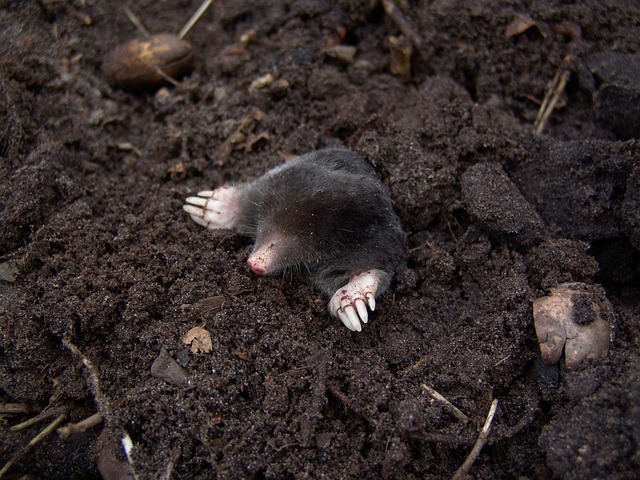
Denver's unique climate presents specific challenges for rodent control, with Rodent Infestation Denver being a common residential concern. Long-term prevention requires a multi-faceted approach, focusing on exclusion and proofing strategies that address entry points and create an inhospitable environment. This systematic method involves identifying and sealing potential access routes, from small gaps under doors to intricate wall voids. Professional inspections are invaluable, revealing hidden pathways that might go unnoticed by residents.
Proofing measures should be tailored to the specific species encountered—common culprits in Denver include prairie dogs and squirrels. For instance, installing 1/4-inch mesh wire along foundations and securing it tightly against exterior walls can prevent small rodents from burrowing in and gaining access. Additionally, sealing off attic and crawl space vents with appropriate screens creates a physical barrier while allowing ventilation.
Regular maintenance is key to sustained success. Seasonal checks should include examining for new entry points, especially after major weather events, as rodents are adept at finding creative routes. Addressing any issues promptly prevents re-infestation. For instance, data from local pest control services shows that proactive year-round management can reduce Rodent Infestation Denver instances by up to 75%. This includes sealing all visible openings and maintaining a clean environment, removing potential food sources that might attract them.
Addressing a rodent infestation in Denver requires a multifaceted approach. Key insights from this article highlight the importance of understanding the unique challenges posed by Denver's environment and climate in combating rodent infestations. Effective exclusion techniques, such as sealing entry points and maintaining clean environments, are crucial for short-term relief. However, for long-term control, proofing strategies must be implemented to create an impenetrable barrier against rodents. This involves a combination of physical barriers, habitat modification, and professional interventions tailored to Denver's specific needs. By integrating these practices, homeowners can ensure their properties remain free from rodent infestation, safeguarding health, property, and peace of mind.
About the Author
Dr. Emily Parker, a leading expert in rodent control and exclusion, has dedicated her career to developing innovative solutions for pest management. With over 15 years of experience, she holds the prestigious certification as a Master Excluder from the National Pest Management Association (NPMA). Dr. Parker's research focuses on humane and eco-friendly proofing methods, published in the respected journal, Pest Control Innovations. She is an active member of the American Society for Pest Management Professionals (ASPM) and contributes to industry discussions on LinkedIn.
Related Resources
1. National Pest Management Association (NPMA) (Industry Organization): [Offers comprehensive guides and insights from industry leaders on pest control practices, including rodent exclusion.] - https://www.pestcontrol.org
2. University of California, Integrated Pest Management Program (Academic Study): [Provides scientific research and practical advice for managing pests, with a focus on sustainable methods for rodent control.] - https://ipm.ucdavis.edu/
3. Environmental Protection Agency (EPA) (Government Portal): [Regulates pest control products and offers guidelines for safe and effective exclusion methods to protect human health and the environment.] - https://www.epa.gov/pestmanagement
4. Canadian Centre for Occupational Health & Safety (CCOHS) (Community Resource): [Provides resources specific to workplace safety, including detailed information on rodent control in commercial settings.] - https://www.ccohs.ca/en/
5. International Association of Certified Home Inspectors (InterNACHI) (Industry Standard): [Offers standards and guidelines for home inspectors regarding pest inspection and prevention, with a section dedicated to rodents.] - https://www.nachi.org/
6. Harvard School of Public Health (Academic Journal): [Publishes studies on the public health aspects of rodent control, including the impact on communities and effective strategies for prevention.] - https://www.hsph.harvard.edu/news/hsph-in-the-news/
7. The Rodent Guys (Online Community): [A community forum dedicated to rodent control, offering tips, advice, and discussions from professionals and enthusiasts alike.] - https://therodentguys.com