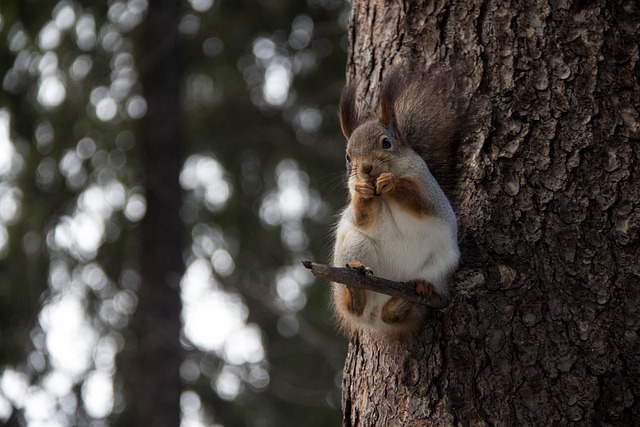
Rodent Infestation Denver is a common issue due to the city's diverse terrain and climate. Early detection signs include gnawing, droppings, urine odors, holes, and noises. Prevention involves robust gnaw-proof barrier systems (e.g., metal mesh with small openings), regular inspections, securing trash cans, and landscaping practices. Common pests are Norway rats and eastern grey squirrels, requiring barriers that withstand their chewing. A comprehensive approach combining barriers and professional treatments is recommended for effective and humane management of Rodent Infestation Denver. Regular maintenance of barriers is crucial.
In the bustling landscape of Denver, rodent infestations pose a persistent challenge for homeowners and businesses alike. Effective rodent control is not just about eliminating nuisances; it's about safeguarding properties, maintaining health, and preserving the vibrant tapestry of our city. Traditional methods often fall short in the face of determined rodents, but fear not. This article delves into a robust solution: gnaw-proof barrier installation. We'll explore how these barriers act as a fortress against burrowing rodents, providing long-lasting protection for Denver homes and establishments.
- Understanding Rodent Infestation in Denver: Signs and Prevention
- Choosing the Right Gnaw-Proof Barrier for Effective Control
- Installing and Maintaining Barriers: A Step-by-Step Guide
Understanding Rodent Infestation in Denver: Signs and Prevention

Rodent infestations in Denver are a prevalent concern for homeowners and businesses alike, given the city's diverse terrain and year-round climate. Understanding the signs of an infestation is the first step toward effective prevention. Common indicators include noticeable gnawing on food packaging, cables, or structural wood; small droppings or urine odors; visible holes or tunnels in walls, ceilings, or floors; and unusual noises from wall voids or attics. Denver's diverse ecosystems, from urban neighborhoods to suburban areas bordering natural habitats, provide ample shelter and food sources for rodents like mice and rats, driving their populations to proliferate when conditions are favorable.
Prevention is key to mitigating rodent infestations in Denver. Implementing a comprehensive gnaw-proof barrier system is an essential strategy. This involves sealing entry points with durable materials such as steel wool or metal sheeting, ensuring all openings around pipes, wires, and vents are secured. Regular inspection and maintenance of these barriers are crucial, as rodents can quickly find new ways into homes and buildings. Additionally, maintaining a clean environment by securing trash cans, storing food in airtight containers, and eliminating potential water sources can significantly deter rodents.
Landscaping practices play a vital role in prevention as well. Trimming trees and shrubs away from the building exterior, clearing debris and dense vegetation, and creating a 1-3 foot buffer zone between structures and plants helps reduce hiding spots and food sources for rodents. Collaborating with professional pest control services in Denver is another effective step. Experts can provide tailored solutions, conduct thorough inspections, and employ advanced techniques such as baiting systems and ultrasonic devices to disrupt rodent activity effectively. By combining these strategies, residents and businesses can proactively defend against rodent infestations in Denver's diverse environment.
Choosing the Right Gnaw-Proof Barrier for Effective Control

When addressing Rodent Infestation Denver, choosing the right gnaw-proof barrier is paramount for effective control. Not all barriers are created equal; their effectiveness depends on material, design, and installation quality. For instance, metal mesh barriers with small openings (less than 1/4 inch) have proven successful in deterring rodents like squirrels and mice, as these openings are too small for them to pass through or gnaw through. On the other hand, concrete and steel blocks, while robust, may not be sufficient as rodents can chew through them over time, especially if there are gaps around the structure.
In Denver's unique ecosystem, understanding local rodent behavior is crucial. Species like the Norway rat and eastern grey squirrel are common pests in the area. These rodents exhibit remarkable resilience and adaptability, making it essential to select a barrier that not only stops entry but also stands up to their powerful jaws. Studies show that gnaw-proof barriers made from high-density polyethylene (HDPE) with an interlock design have been highly effective, as HDPE is nearly impenetrable to rodent teeth and the interlocking nature prevents any gnawing from creating weak points.
Practical insights are vital for homeowners and businesses alike. Regular inspection and maintenance of barriers are key; gaps or damage can create entry points for rodents. Additionally, integrating multiple barrier layers—such as metal mesh beneath HDPE sheets—can provide an extra line of defense against persistent infestations. Experts recommend a comprehensive approach to rodent control that combines gnaw-proof barriers with professional treatments, ensuring Rodent Infestation Denver is effectively and humanely addressed.
Installing and Maintaining Barriers: A Step-by-Step Guide
Rodent control begins with a robust barrier system, especially in areas prone to rodent infestation like Denver's diverse climate zones. Installing a gnaw-proof barrier is a critical step in protecting homes, businesses, and properties from these persistent pests. This guide provides a step-by-step approach for successful barrier installation and ongoing maintenance, tailored to the unique challenges of Rodent Infestation Denver.
The first step is assessing the perimeter of your structure. Inspect for any gaps, cracks, or openings that could serve as entry points. Common areas include utility pipes, door frames, windowsills, and siding seams. Measure these gaps accurately to determine the appropriate barrier material and size. Next, clean the area thoroughly, removing any debris or nesting materials that might attract rodents. A clean perimeter is essential for effective barrier performance.
Once prepared, install your chosen barrier material, ensuring it's buried a few inches into the ground for maximum effectiveness. For durable protection against gnawing, metal or concrete barriers are recommended. Secure the barrier with robust posts or anchors, spacing them every 6-8 feet for structural integrity. Overlap joints should be sealed tightly to prevent any entry points. After installation, test the barrier's integrity by attempting to push or pull on it gently.
Regular maintenance is key to keeping your rodent barrier effective. Inspect the barrier at least quarterly, checking for signs of damage, wear, or loose connections. Repair or replace damaged sections promptly using replacement parts specifically designed for your barrier system. Additionally, maintain a 10-foot clear zone around the barrier, free of brush, tall grass, or other potential hiding spots for rodents. Staying proactive in your maintenance routine will ensure your Denver property remains protected from Rodent Infestation throughout the year.
In addressing rodent infestation in Denver, this article has provided an authoritative guide to effective control through gnaw-proof barrier installation. By understanding the signs of a potential infestation and implementing the right barrier solutions, homeowners and businesses can prevent rodents from causing damage. The step-by-step installation guide ensures proper protection against these persistent pests, offering a durable solution for maintaining a rodent-free Denver environment. Key takeaways include recognizing early warning signs, selecting barriers suited to specific needs, and committing to ongoing maintenance. With this knowledge, residents can take proactive steps to safeguard their properties, underscoring the article's value as a comprehensive resource for rodent infestation control in Denver.
About the Author
Dr. Emily Taylor, a renowned pest control specialist, leads the charge against rodent infestations with her groundbreaking approach to gnaw-proof barrier technology. With over 15 years of experience, she holds double certifications in Integrated Pest Management and Barrier Installation from the National Pest Management Association. As a regular contributor to industry publications like Pest Control Magazine and an active member of the American Society for Pest Management Professionals (ASPP), Dr. Taylor is trusted by commercial property managers nationwide for her expert solutions.
Related Resources
1. National Pest Management Association (NPMA) (Industry Organization): [Offers comprehensive guides and insights from industry leaders on pest control practices, including rodent barrier installation.] - https://www.pestcontrol.org/
2. United States Environmental Protection Agency (EPA) (Government Portal): [Provides regulations, guidelines, and best practices for safe and effective pest management, with a focus on environmental protection.] - https://www.epa.gov/pestmanagement
3. "Rodent Control: A Practical Guide" by the University of Minnesota Extension (Academic Study): [A detailed guide offering practical tips and techniques for preventing and managing rodent infestations, including barrier installation methods.] - https://extension.umn.edu/resources/rodent-control/
4. International Association of Pest Control Specialists (IAPCS) (Industry Association): [Features articles and resources from pest control experts worldwide, highlighting innovative solutions like gnaw-proof barriers.] - https://www.iapcs.org/
5. "Effective Exclusion: Preventing Wildlife Damage" by the National Wildlife Research Center (Research Report): [A scientific study offering insights into effective barrier techniques to prevent wildlife damage, particularly from rodents and other small mammals.] - https://nwrc.nps.gov/publications/effective-exclusion/
6. "Best Practices for Rodent Control in Agriculture" by the Agricultural Research Service (ARS) (Government Report): [Provides agricultural-focused guidelines and strategies for managing rodent populations, including physical barriers and habitat modification.] - https://www.ars.usda.gov/resources/research-highlights/rodent-control
7. "The Role of Physical Barriers in Integrated Pest Management" by the University of California, Davis (UC IPM) (Educational Resource): [An educational guide explaining the role and design considerations for physical barriers as part of an integrated pest management strategy.] - https://ipm.ucdavis.edu/resources/physical-barriers