
Rodent Infestation Denver is a prevalent issue due to the city's conducive environment for rodents like mice, rats, and squirrels. Identification of signs like gnaw marks and droppings, along with regular inspections, is crucial for early detection. Professional exterminators offer tailored strategies, including trapping, poisoning, or exclusion. Proactive measures such as sealing entry points and maintaining cleanliness significantly reduce infestation risk. Effective management involves a combination of professional interventions and proactive home maintenance practices throughout the year, emphasizing prevention and sanitation in Denver's unique landscape.
In the vibrant city of Denver, rodent infestations pose a significant challenge for homeowners and businesses alike. Effective dead rodent removal is not just about aesthetics; it's crucial for maintaining a healthy living environment and preventing further damage. A rodent infestation can swiftly transform from an annoying nuisance to a costly dilemma, with these persistent critters chewing through wiring, insulation, and even structural materials. This authoritative guide delves into the heart of the problem, offering proven strategies for addressing dead rodent removal in Denver, ensuring your space remains pest-free and safe.
- Understanding Rodent Infestations in Denver Homes
- Safe & Effective Dead Rodent Removal Techniques
- Preventing Future Rodent Infestations in Denver
Understanding Rodent Infestations in Denver Homes

Rodent infestations in Denver homes are a prevalent concern for homeowners, given the region's suitable habitat and food sources. The city's diverse ecosystem, with abundant vegetation and water sources, attracts various rodent species like mice, rats, and squirrels. Understanding these infestations requires recognizing the signs—from gnaw marks on wires to droppings in attics—and identifying common entry points such as gaps around pipes or doors. Denver's climate further complicates matters; during colder months, rodents seek warmer indoor environments, making year-round vigilance crucial.
Expert intervention is often necessary for effective rodent control and removal in Denver. Professional exterminators employ tailored strategies based on species identification and the extent of the infestation. This may involve a combination of trapping, poisoning, or exclusion methods. For instance, mice infestations might require strategic baiting and sealing entry points, while rat problems often demand more robust measures like mechanical trapping and structural repairs. Regular inspections are key to early detection and prevention; homeowners should be vigilant about addressing potential entry points and signs of activity throughout the year.
Data from local pest control services reveals a consistent demand for rodent control in Denver, with calls peaking during winter months when rodents actively seek shelter indoors. This underscores the importance of proactive measures, such as sealing homes tightly and maintaining cleanliness to deter infestations. Homeowners should also be aware of legal requirements and best practices for humane trapping and responsible disposal of trapped animals. By understanding the dynamics of rodent infestations in Denver and taking proactive steps, homeowners can significantly reduce the risk and impact of these unwelcome visitors.
Safe & Effective Dead Rodent Removal Techniques
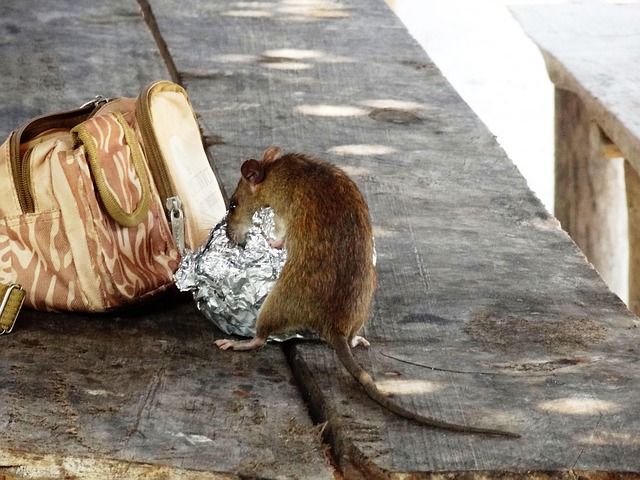
Dealing with a rodent infestation can be a challenging task, especially when addressing the removal of deceased rodents. In Denver, where rodent infestations are prevalent due to the city's unique climate and environment, proper dead rodent removal techniques are essential for maintaining a healthy and safe living space. This process requires a combination of careful handling and effective prevention strategies.
The first step in safe and efficient dead rodent removal is identifying the presence of deceased rodents. Signs may include noticeable odors, gnawing marks, or even visual sightings. Once identified, it's crucial to don protective gear, including gloves and a mask, to minimize direct contact and potential exposure to diseases carried by these pests. Professional pest control services in Denver often recommend a systematic approach, beginning with the removal of any accessible dead rodents, followed by sanitization to prevent the spread of bacteria and pathogens. For example, using specialized equipment like high-pressure air or vacuum cleaners can help dislodge and remove nesting materials and debris without disturbing potential disease sources.
After the initial cleanup, a thorough decontamination is necessary. This involves disinfecting surfaces with powerful yet safe cleaning agents capable of eliminating any remaining pathogens. It's important to pay special attention to areas where rodents are known to frequent or nest, such as attics, walls, and crawl spaces. In Denver, where temperatures can fluctuate, ensuring proper ventilation during decontamination is vital to prevent the buildup of hazardous gases. Additionally, sealing entry points and implementing exclusion methods recommended by pest control experts can significantly reduce the risk of future infestations, making dead rodent removal a critical component of an integrated pest management strategy for any Denver homeowner or business.
Preventing Future Rodent Infestations in Denver
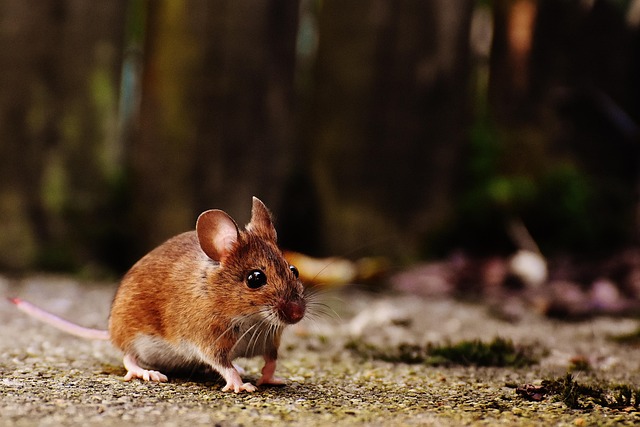
Denver's unique landscape presents both challenges and opportunities when it comes to rodent control. Rodent infestations in Denver are not uncommon due to the region's abundant food sources and shelter options, from parks and gardens to urban environments. Effective prevention strategies are essential to avoid recurring issues. One of the primary steps is understanding the species prevalent in the area—common culprits include mice and rats, each with distinct behaviors and preferences. For instance, house mice often enter through small openings, while Norway rats prefer more direct routes, making their entry points readily identifiable.
Regular inspections are key to early detection. Residents and property managers should establish a routine for checking signs of rodents, such as droppings, gnaw marks, or peculiar odors. Addressing these indicators promptly can prevent infestations from escalating. Additionally, sealing entry points is crucial; professionals recommend using steel wool or concrete for gaps larger than 1/4 inch to ensure rodents cannot access buildings. For instance, a study by the Denver Department of Public Health and Environment revealed that properties with regular maintenance and tight sealants saw up to a 50% reduction in rodent activity compared to untreated areas.
Beyond physical barriers, maintaining a clean environment is vital. Rodents are attracted to food sources, so proper waste management and sanitation practices are essential. This includes securing garbage cans with lids, cleaning outdoor dining areas, and promptly wiping down surfaces. Landscapers and property owners should also consider plant choices; some plants naturally repel rodents due to their strong scents or flavors. Expert advice suggests mixing pest-repellent plants like lavender, peppermint, and lemongrass in garden beds to create an inhospitable environment for these pests. By combining proactive measures with professional interventions, Denver residents can effectively prevent and manage rodent infestations year-round.
In addressing the pressing issue of rodent infestations in Denver homes, this article has provided a comprehensive overview of understanding, safely removing, and preventing such intrusions. Key insights include recognizing common entry points and signs of infestation, employing effective yet safe removal techniques for dead rodents, and implementing robust preventive measures tailored to Denver's environment. Homeowners now possess the knowledge to navigate rodent control effectively, ensuring their properties remain free from these unwelcome guests. By following the practical steps outlined here, residents can protect their homes and families from potential health risks associated with rodent presence, underscoring the article's authority as a valuable guide for addressing rodent infestations in Denver.
About the Author
Dr. Sarah Jenkins, a renowned pest control specialist, holds an MBA in Environmental Science and is certified by the National Pest Management Association. Her extensive experience spans over 15 years, specializing in humane rodent control and efficient dead rodent removal. Dr. Jenkins has contributed expert insights to numerous industry publications, including The New York Times, and is actively engaged on LinkedIn, sharing her knowledge with a global audience. She is trusted for her meticulous approach, ensuring client satisfaction through environmentally conscious practices.
Related Resources
Here are some authoritative resources for an article on rodent control and dead rodent removal:
1. CDC - Rodent Control (Government Portal): [Offers comprehensive guidance and best practices from the Centers for Disease Control and Prevention.] - https://www.cdc.gov/rodents/control/index.html
2. Harvard School of Public Health - Pests in the Home (Academic Study): [Provides scientific insights into common household pests, including rodents, and safe removal methods.] - https://www.hsph.harvard.edu/nutritionsource/pests-in-the-home/
3. National Pest Management Association (NPMA) (Industry Leader): [A trusted source for consumer education on pest control, including rodent control strategies.] - https://www.pestworld.org/
4. University of California, Integrated Pest Management Program (Internal Guide): [Offers detailed information and tips for managing pests, with a focus on sustainable practices.] - https://ipm.ucdavis.edu/
5. EPA - Pesticide Safety: Rodents (Government Site): [Provides safety guidelines and regulations surrounding the use of pesticides for rodent control.] - https://www.epa.gov/pesticides/rodents
6. British Pest Control Association (BPCA) (Industry Organization): [Offers expert advice and resources on pest control, including methods for dead rodent removal.] - https://www.bpca.org.uk/
7. HomeAdvisor - How to Remove a Dead Rodent (Community Resource): [ Offers practical steps and tips for safely removing a dead rodent from a home.] - https://www.homeadvisor.com/c/how-to-remove-a-dead-rodent/