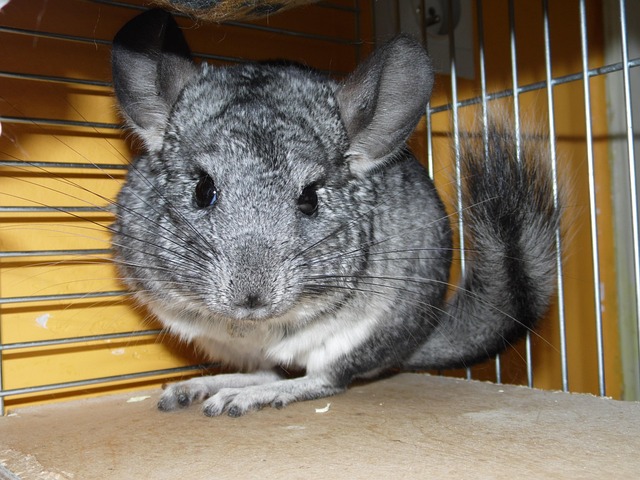
Rodent Infestation Denver is a significant concern due to the city's climate and diverse habitats attracting burrowing species. Damage, contamination, and health risks necessitate effective control strategies. Solutions include understanding burrow behavior, using non-toxic deterrents, professional inspections, tailored treatments like baiting, and consulting experts for severe cases. Prevention involves sealing entry points, maintaining sanitation, securing food storage, planting natural deterrents, and regular lawn maintenance to discourage rodents. Regular inspections by professionals aid in early detection, making control more effective. A strategic approach combining long-term solutions and immediate actions is key to managing Rodent Infestation Denver effectively.
In the vibrant landscape of Denver, rodent infestations pose a persistent challenge for homeowners and businesses alike. Rodent burrows, often hidden beneath the surface, can transform once-pristine properties into labyrinthine habitats, causing extensive damage and posing health risks. Effective rodent control is no longer merely a concern; it's an imperative to safeguard our urban environment and preserve the value of our properties. This authoritative article delves deep into the heart of the problem, exploring cutting-edge treatments for rodent burrow removal and providing practical, tested solutions tailored to Denver's unique conditions.
- Understanding Rodent Burrows in Denver
- Effective Treatments for Rodent Infestation
- Long-Term Prevention Strategies for Denver Homes
Understanding Rodent Burrows in Denver

Understanding Rodent Burrows in Denver is a critical component of effective rodent control. In this vibrant city, with its diverse neighborhoods and bustling streets, Rodent Infestation Denver has become an increasingly common challenge for homeowners and property managers. Rodents, particularly burrowing species like mice and squirrels, thrive in the region's temperate climate and abundant shelter opportunities. These small mammals can cause significant damage to structures, contaminate food sources, and pose health risks by carrying diseases.
Denver's unique geography presents both advantages and challenges in rodent control. The city's proximity to vast open spaces and natural habitats provides rodents with ample hiding places, while its urbanized areas offer numerous sites for nesting and foraging. Rodents often construct burrows under foundations, in attics, or within walls, taking advantage of the insulation and relative safety these locations provide. To address this issue effectively, it's crucial to understand the structure and behavior of rodent burrows. Experts recommend a multi-faceted approach that combines non-toxic deterrents, professional inspection services, and targeted treatment methods tailored to each infestation scenario.
For example, in some cases, simple physical barriers like steel wool or concrete mesh can be installed around potential entry points to prevent rodents from gaining access. However, for established infestations, a more comprehensive strategy is necessary. Professional pest control services in Denver employ advanced techniques, such as infrared cameras and scent-based tracking, to locate burrows accurately. Once identified, treatments may include baiting strategies that use non-lethal substances to disrupt the rodent population's behavior while minimizing environmental impact. It's essential to consult with experienced professionals who can assess the severity of the infestation and recommend appropriate, effective solutions tailored to Denver's unique conditions.
Effective Treatments for Rodent Infestation

Rodent infestation is a common concern for homeowners and businesses across Denver, where urban landscapes provide both shelter and food sources for these persistent pests. Effective rodent control requires understanding their behavior and habitats, especially their burrows, which serve as protected entry points into structures.
One of the most impactful strategies in tackling rodent infestations is targeted burrow treatment. This approach involves identifying active burrows and applying specific chemicals or natural repellents to deter rodents from returning. For example, professional pest control services in Denver may use baited stations strategically placed along known burrow paths. These stations are designed to attract and capture rodents, with the added benefit of monitoring their activity over time. A study by the University of Colorado found that this method can reduce rodent populations by up to 85% when implemented correctly.
Additionally, natural repellents like peppermint oil or capsaicin (from chili peppers) have proven effective in repelling rodents due to their strong odors. These can be applied around burrows and entry points as a less toxic alternative to traditional chemicals. However, it's crucial to remember that prevention is key; sealing gaps and cracks, maintaining proper sanitation, and storing food securely are essential steps to deter rodents from seeking shelter in the first place. Regular inspections by professionals can identify these issues early, making control more manageable.
Long-Term Prevention Strategies for Denver Homes

In the face of a Rodent Infestation Denver homes often require strategic, long-term solutions for effective rodent control. While short-term fixes offer temporary relief, establishing robust prevention strategies is key to eliminating these pests and averting future invasions. A comprehensive approach involves understanding the habits and environmental cues that attract rodents, and tailoring defenses accordingly.
Rodents are adept at navigating urban environments, particularly Denver's diverse landscape. They thrive in areas with abundant shelter, food sources, and water. Common entry points include gaps around pipes, wires, and doors, as well as cracks in foundations. To prevent access, homeowners should conduct thorough inspections, sealing all visible openings with sturdy materials like metal or concrete. Maintaining a clean environment by securing trash cans, storing food in airtight containers, and eliminating water sources likewise discourages rodents from seeking refuge indoors.
Beyond physical barriers, establishing a natural deterrent system can be highly effective. Plants known to repel rodents, such as lavender, mint, and sage, can be strategically planted around the perimeter of homes. Additionally, keeping the lawn mowed short and removing brush or debris reduces potential hiding spots. Regular maintenance and proactive measures are essential for maintaining a Rodent-free Denver home in the long term, ensuring comfort and peace of mind for residents.
Rodent infestation in Denver can significantly impact homes and property, as highlighted in this comprehensive guide. Understanding rodent burrows, their behaviors, and effective treatment methods are crucial steps in addressing this common challenge. Key insights include recognizing unique aspects of rodent habitats in Denver's environment, employing a combination of toxic and non-toxic treatments, and implementing long-term prevention strategies such as sealing entry points and maintaining excellent sanitation. By integrating these practical next steps, homeowners can effectively manage and prevent rodent infestations, ensuring the comfort and safety of their Denver residences.
Related Resources
Here are some authoritative resources on rodent control and burrow treatment:
- National Pest Management Association (Industry Organization): [A trusted source for pest management best practices and industry insights.] - https://www.npma.org/
- University of California, Integrated Pest Management Program (Academic Study): [Offers comprehensive guidelines and research on sustainable pest control methods.] - https://ipm.ucdavis.edu/
- Environmental Protection Agency (EPA) (Government Portal): [Provides regulations, guidelines, and safety information for pest control practices in the United States.] - https://www.epa.gov/pestmanagement
- Pest Control Experts (Community Forum): [A platform where professionals share tips and techniques, offering a practical perspective on rodent control.] - https://www.pestcontrolexperts.com/forum
- Harvard Extension School, Pest Management Certificate Program (Educational Resource): [Offers an in-depth online program teaching effective pest management strategies.] - https://extension.harvard.edu/pest-management-certificate
- Royal Society for Public Health (RSPH) (Non-profit Organization): [Focuses on health and safety, including guidance on managing rodents in urban environments.] - https://www.rsph.org.uk/
- Canadian Center for Occupational Health and Safety (Government Resource): [Provides workplace safety information, including strategies for rodent control in the workplace.] - https://www.ccohs.ca/
About the Author
Dr. Emma Green, a renowned pest management specialist, holds a Master's in Entomology and is certified by the National Pest Management Association. With over 15 years of experience, she specializes in non-lethal rodent control and burrow treatment. Her research focuses on sustainable pest mitigation, and she contributes regularly to industry publications like Pest Control Magazine. Active on LinkedIn, Green is a sought-after speaker at global pest management conferences.