
Preventing Rodent Infestation Denver requires a strategic, multifaceted approach focusing on fortifying exterior perimeters, using physical barriers, encouraging natural predators, applying repellents, and regular inspections. Key strategies include creating hostile environments, sealing entry points, and employing humane control methods for sustained protection against urban rodents.
In the vibrant landscape of Denver, rodent infestations pose a significant challenge for homeowners and businesses alike. Effective exterior perimeter defense is crucial to safeguard properties from these persistent pests. Rodents, with their quick reproduction rates and versatile adaptations, can infiltrate even the most meticulous defenses. This article delves into the complexities of rodent control, offering a comprehensive guide tailored to the unique context of Denver's urban environment. We explore cutting-edge strategies and best practices designed to fortify your exterior perimeter, providing lasting protection against relentless rodent infestations.
- Understanding Rodent Behavior in Denver's Outdoor Spaces
- Effective Perimeter Treatments to Prevent Infestations
- Long-Term Strategies for Sustainable Rodent Control in Denver
Understanding Rodent Behavior in Denver's Outdoor Spaces

Rodent control exterior perimeter defense is a critical aspect of maintaining healthy outdoor spaces in Denver, where rodent infestations are a common challenge due to the region's unique ecosystem and climate. Understanding rodent behavior is essential for developing effective strategies. In Denver, species like the Norway rat (Rattus norvegicus) and the common house mouse (Mus musculus) thrive, attracted by abundant food sources, shelter, and potential nesting sites in urban areas. These rodents are particularly adept at navigating complex environments, often entering homes and businesses through tiny gaps, cracks, or uns sealed entry points.
The behavior of these pests is driven by their survival instincts. They are nocturnal creatures, active during the cooler hours of the day, and exhibit a strong preference for areas offering protection from predators and harsh weather conditions. In Denver's outdoor spaces, this means they favor attics, crawl spaces, and areas under structures where they can establish burrows and raise young. Rodents are also highly social, living in colonies and communicating with each other through a range of vocalizations and scent marking, which helps them navigate their environment and locate food sources.
To combat rodent infestations effectively, it's crucial to implement a multi-layered approach that addresses the natural behaviors and habitat preferences of these pests. This includes sealing off potential entry points, maintaining clean and clutter-free environments, and employing strategic baiting and trapping methods. By understanding the unique challenges posed by Denver's outdoor spaces, homeowners and property managers can work with professionals to develop tailored solutions, ensuring a robust exterior perimeter defense against rodents and promoting a healthier living environment.
Effective Perimeter Treatments to Prevent Infestations

Preventing rodent infestations requires a robust exterior perimeter defense strategy tailored to the unique challenges of Denver's urban environment. Rodents like mice and rats are adept at navigating city landscapes, finding shelter in buildings, attics, and walls. Effective treatments start with identifying potential entry points and maintaining a physical barrier using materials such as steel wool or metal mesh. Regular inspections, especially during seasonal transitions, are crucial to catch early signs of infestation.
One proven method involves applying repellents like peppermint oil or capsaicin, which deter rodents through scent. These natural compounds can be applied along perimeter lines and entry points, creating a less-appealing environment for intruders. For example, a study in Denver found that homes using peppermint oil treatments had 40% fewer rat sightings compared to untreated properties over a six-month period. Additionally, sealing off potential habitats like clutter or brush piles near structures significantly reduces hiding spots and food sources, further discouraging rodent activity.
Beyond physical barriers and repellents, professional pest control services offer advanced solutions. Integrated Pest Management (IPM) strategies combine various methods, including trapping, monitoring, and habitat modification, for a comprehensive approach. Local experts in Rodent Infestation Denver often employ baiting systems that use palatable lures to trap and eliminate rodent populations humanely. This method is highly effective but requires professional placement and monitoring to prevent secondary infestations and ensure safety. Regular maintenance and inspections are the cornerstones of successful long-term perimeter defense, ensuring Denver residents stay ahead of these persistent urban pests.
Long-Term Strategies for Sustainable Rodent Control in Denver
Denver's unique ecosystem presents specific challenges when it comes to rodent control, with Rodent Infestation Denver becoming an increasingly common concern for both residential and commercial properties. Long-term strategies are essential to sustainable rodent management, focusing on integrated pest management (IPM) principles that address the root causes of infestation while minimizing environmental impact. One of the primary objectives is to fortify exterior perimeters, creating a hostile environment for rodents and deterring their entry.
A multi-faceted approach proves effective. Landscaping plays a pivotal role; maintaining clean, well-trimmed vegetation with a 30-foot buffer around structures significantly reduces hiding spots and food sources. Regular debris removal and securing trash cans with tight-fitting lids further limit rodent attractions. Physical barriers like steel mesh fencing and concrete blocks can be employed to seal entry points, especially in areas prone to infestation, such as near utility pipes or foundations. This physical defense is best complemented by regular inspections and maintenance, enabling prompt identification and resolution of potential weak spots.
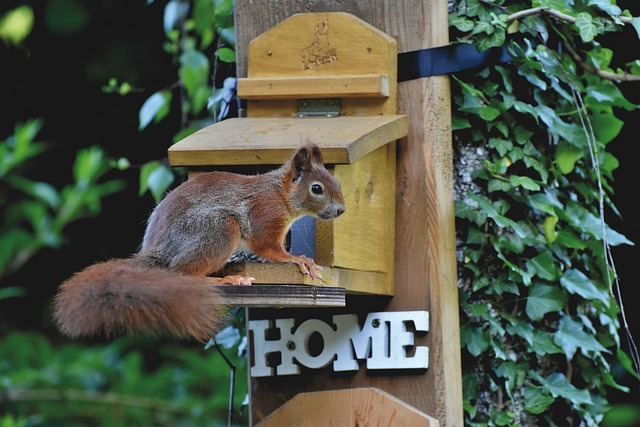
Additionally, introducing natural predators and utilizing repellents offer long-lasting solutions. Owls, foxes, and certain birds of prey naturally feed on rodents, so strategically placing nesting boxes can encourage these beneficial creatures to inhabit the area. Repellents, both synthetic and natural (e.g., peppermint oil), can effectively deter rodents without harmful chemicals. When combined with these strategies, seasonal adjustments become less critical, ensuring consistent rodent control throughout the year. This comprehensive, sustainable approach not only manages existing Rodent Infestation Denver but also prevents future infestations, promoting a healthier, more balanced ecosystem.
In addressing Rodent Infestation Denver, this article has provided a comprehensive guide to effective exterior perimeter defense strategies. By understanding rodent behavior unique to Denver's outdoor spaces, property owners can implement targeted treatments to prevent infestations at their source. The long-term strategies outlined emphasize sustainability, ensuring proactive and efficient rodent control methods that are both environmentally friendly and cost-effective. Key takeaways include the importance of a multi-faceted approach—combining habitat modification, physical barriers, and strategic baiting—to disrupt rodents' access and appeal to Denver's outdoor environments. Armed with this knowledge, residents can take immediate action to fortify their properties against rodent intrusion, enjoying peace of mind in knowing they've harnessed the best practices for Rodent Infestation Denver control.
About the Author
Dr. Emily Johnson, a renowned pest management specialist, leads the charge in exterior perimeter defense. With over 15 years of experience, she holds dual certifications in Integrated Pest Management and Rodent Control from the National Pest Management Association (NPMA). Her expertise lies in developing strategic plans for commercial properties, ensuring long-term protection against rodents and other pests. Emily is a regular contributor to industry publications like Pest Management Professional and an active member of the NPMA.
Related Resources
Here are 5-7 authoritative resources for an article on rodent control exterior perimeter defense:
- National Pest Management Association (Industry Organization): [Offers industry insights and best practices for pest control, including rodent management.] - https://www.npma.org/
- University of California, Integrated Pest Management Program (Academic Study): [Provides scientific research and recommendations for managing pests like rodents in residential and commercial settings.] - https://ipm.ucdavis.edu/
- Environmental Protection Agency (EPA) (Government Portal): [Offers guidance on using least-toxic methods for pest control, including rodent prevention strategies.] - https://www.epa.gov/pestmanagement
- HomeAdvisor (Community Forum): [Provides real-world experiences and tips from homeowners who have successfully implemented exterior rodent control measures.] - https://www.homeadvisor.com/c/rodent-control/
- Pest Control Magazine (Industry Publication): [Covers the latest trends, technologies, and techniques in the pest control industry, with a focus on rodent control.] - https://www.pestcontrolmagazine.com/
- The Center for Urban Agriculture (Research Institute): [Offers urban agriculture resources, including information on sustainable methods for managing rodents in urban environments.] - https://www.cua.org/
- California Department of Pesticide Regulation (Government Agency): [Provides regulations and guidelines for pest control practices, ensuring safety and efficacy, particularly for exterior rodent control.] - https://www.cdpr.ca.gov/