
Rodents like mice and rats infiltrate Denver homes through cracks, establishing nests in walls and attics causing damage by chewing insulation. Signs include droppings, gnaw marks, and unusual smells. Quick action is essential for prevention and control. Effective rodent control involves removing contaminated insulation, replacing it with high-quality material, and eliminating habitats to disrupt access. After infestation, damaged insulation should be carefully removed and replaced professionally for thorough cleaning and restoration.
Rodent infestations are a common problem in Denver homes, with mice and rats seeking shelter during cold months. Understanding the critical role insulation plays in both attracting and harboring these pests is key to effective rodent control. This guide delves into the process of rodent infestation identification, the science behind insulation as a haven for rodents, and the essential steps involved in safely removing and replacing insulation after successfully excluding these unwelcome guests from your Denver home.
- Understanding Rodent Infestations in Denver Homes
- The Role of Insulation in Rodent Control
- Removing & Replacing Insulation After Rodent Exclusion
Understanding Rodent Infestations in Denver Homes
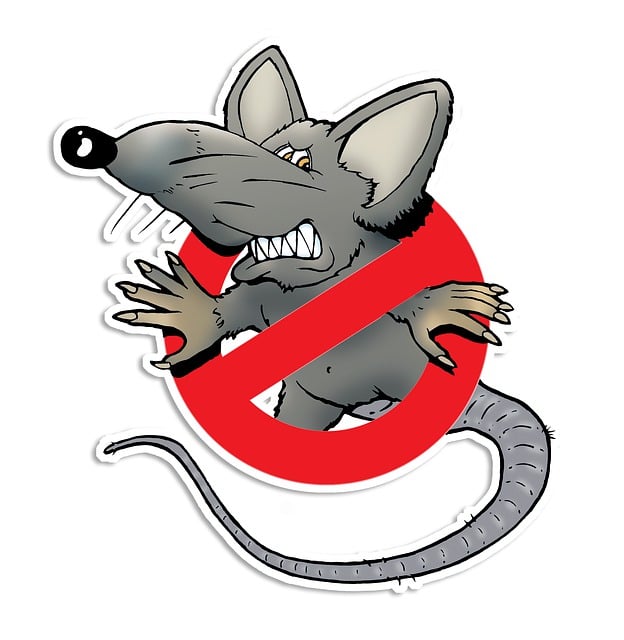
In the context of a Rodent Infestation Denver, it’s essential to understand that rodents like mice and rats are adept at finding their way into homes through tiny cracks and openings. These elusive creatures are particularly drawn to warm, insulated spaces during the colder months, making Denver’s residential areas attractive habitats. Once inside, they quickly establish nests in walls, attics, and crawl spaces, benefiting from the safety and shelter that these areas provide.
A Rodent Infestation Denver can go unnoticed for extended periods due to rodents’ nocturnal nature and their tendency to avoid human interaction. However, signs such as droppings, gnaw marks on insulation, and peculiar smells may indicate their presence. Prompt action is crucial when addressing a Rodent Infestation Denver to prevent further damage to insulation, which can be chewed and contaminated by these pests. Regular inspections and professional intervention are vital steps in managing and eradicating rodent problems effectively.
The Role of Insulation in Rodent Control
Insulation plays a pivotal role in rodent control for homes and businesses in Denver. It acts as both a physical barrier and a temperature regulator, making it an attractive target for rodents seeking warm places to nest and breed. By removing existing insulation contaminated by rodent droppings or nests, we eliminate potential habitats and disrupt their access to your space.
Proper replacement with new, high-quality insulation is crucial to ensure the effectiveness of the control effort. This step not only seals out future intruders but also enhances energy efficiency, creating a safer, healthier, and more comfortable environment for Denver residents. Addressing rodent infestation through insulation removal and replacement is an essential component in achieving long-term prevention and maintaining a rodent-free Denver home or business.
Removing & Replacing Insulation After Rodent Exclusion
After successfully excluding rodents from your Denver home, it’s time to address the damage they may have caused during their infestation. The first step is removing the affected insulation. This process involves identifying and carefully extracting any contaminated material while ensuring no trace of rodents remains. It’s crucial to wear protective gear, such as gloves and a mask, throughout this process to avoid inhaling any debris or potential allergens.
Once the damaged insulation is removed, it’s essential to replace it with new, high-quality insulation. This not only restores your home’s energy efficiency but also creates a barrier against future infestations. When installing new insulation, ensure proper placement and sealing to prevent rodents from finding their way back in. Remember, professional assistance may be required for thorough cleaning and restoration, especially in severe cases of rodent infestation Denver residents might experience.
After successfully excluding rodents from your Denver home, it’s crucial to remove and replace affected insulation. This step ensures a clean and secure environment, preventing future rodent infestations. By understanding the role of insulation in rodent control and following proper removal and replacement procedures, homeowners can effectively protect their properties in the long term, keeping rodents at bay and maintaining a comfortable living space.